
Digital coupons in store apps: how clipping actually works
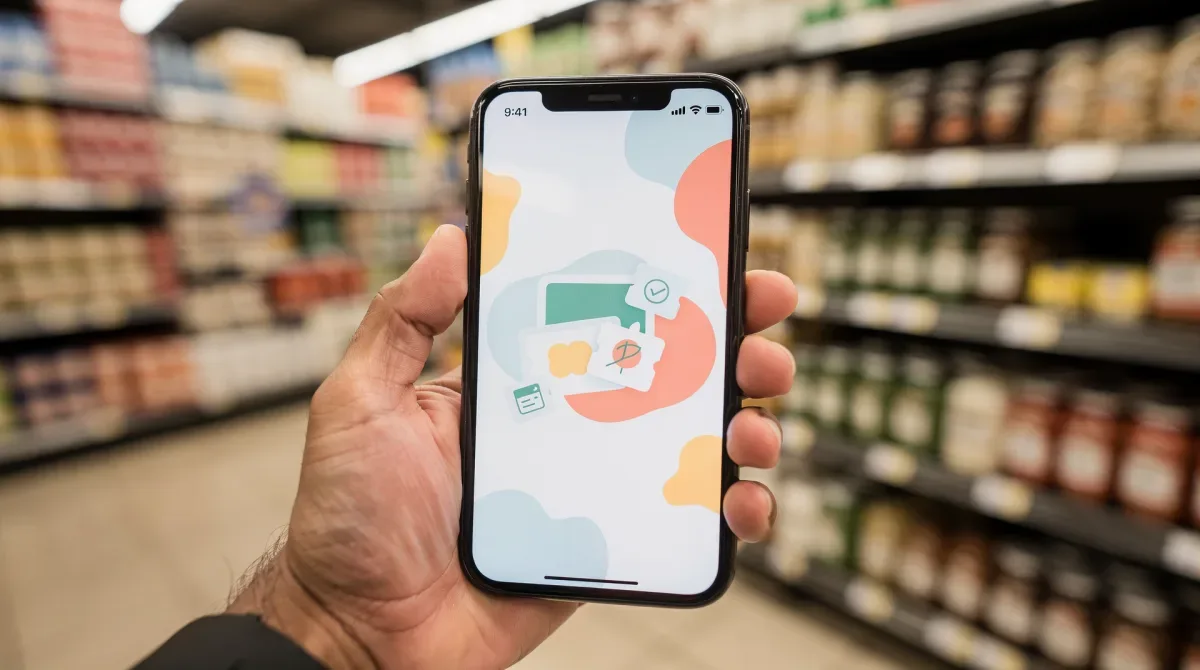
Most big grocery, drugstore and discount chains in the U.S. now run their own digital coupon programs. Instead of cutting a paper slip, you open the store's app or website, tap "clip" or "add," and the discount is supposed to come off automatically when you check out with your loyalty account. It sounds simple, and most of the time it is, but there are a few moving parts that explain why a clipped coupon sometimes doesn't show up on your receipt.
This guide walks through what digital clipping really does behind the scenes, the common reasons an offer fails, and a few habits that make digital coupons a reliable part of buying everyday essentials like paper towels, shampoo, cereal and pet food. The catch is small but real: digital coupons reward people who plan a little before they shop.
What happens when you tap "clip"
A digital coupon isn't a code you carry around. When you clip one, the store attaches that offer to your loyalty account, which is usually tied to your phone number, email or a card. At the register or during online checkout, the system scans the items in your cart, checks your account for matching offers, and applies any discount whose conditions are met.
That means three things have to line up:
- The right account. The cashier or self-checkout must know who you are, usually by scanning your app barcode or entering your phone number.
- The right item. The product's barcode must match the list of eligible items for that coupon, including size and variety.
- The right conditions. Quantity, minimum spend, dates and usage limits all need to be satisfied.
If any of these is off, the offer simply doesn't trigger, and you usually won't get an error message telling you why.
Store coupons and manufacturer coupons in the same app
Store apps often mix two kinds of digital offers. Some are funded by the store itself, and others are manufacturer coupons that the brand pays for and the store simply distributes. Many apps label them, sometimes with a small note such as "manufacturer offer" or a brand logo. The distinction matters because stores have different rules about combining the two types, both with each other and with paper coupons. When in doubt, check the coupon policy page on the store's website, since each chain writes its own rules and updates them from time to time.
Why a clipped coupon doesn't apply
When an offer goes missing from the receipt, the cause is almost always one of these:
- Wrong size or variety. A coupon for a brand's 24-count pack may not cover the 12-count, and a "select varieties" note can exclude a flavor or scent.
- Quantity not met. Offers like "save when you buy two" do nothing if you buy one.
- Clipped too late. Some systems need the coupon on your account before the transaction starts. Clipping while standing in line can work, but it isn't guaranteed.
- Expired or already used. Many digital coupons are single-use, and some reset only after a set period.
- Loyalty account not scanned. Without your account, the register has no way to see your clipped offers.
- Household or account limits. Stores often cap how many times one account can redeem an offer.
If you believe a coupon should have applied, customer service can usually look at your account and the item barcode. Keep your receipt and be ready to show the offer in the app.
Habits that make digital coupons work
Clip before you build your list
Browse the coupon section at home, ideally the same day you plan your trip. Clip anything you would buy anyway, then use the app's "clipped" filter to build your list around those offers. This avoids the trap of buying something only because a coupon exists.
Read the eligible items
Most apps let you tap a coupon to see qualifying products. A quick look at sizes and varieties saves frustration at the shelf. Take a screenshot if your signal is weak inside the store.
Check the receipt before you leave
Digital savings are usually listed line by line on the receipt or in the app's purchase history. Glancing at it before you walk out makes fixing a missed offer much easier than coming back days later.
Watch for "load to card" deals in the weekly ad
Weekly circulars often mark sale prices that require a digital coupon. If you skip the clip, you may pay the regular price even though the shelf tag shows the lower one.
Is it worth the effort?
Digital coupons cost nothing but a few minutes, and for staples you buy every week, those minutes add up. The real catch is behavioral: apps are designed to show you more products, and an offer on something you don't need isn't a saving. The most useful approach is to treat the coupon list as a filter for your existing shopping list, not as a shopping list in itself.
It also helps to stick with one or two primary stores. Spreading your attention across a dozen apps tends to create clutter and missed expirations. Most families get the bulk of the benefit from the store where they already buy groceries and the drugstore they visit most.
Privacy is worth a thought as well. Loyalty programs collect purchase history to personalize offers. That's the trade you make for the discounts, and it's reasonable to read the program's privacy terms before signing up.
Frequently asked questions
Can I use a digital coupon at self-checkout?
Generally yes, as long as you scan your loyalty barcode or enter your phone number before paying. Self-checkout applies clipped offers the same way a staffed register does, though you should confirm on the screen that your account was recognized.
Do digital coupons work on pickup and delivery orders?
Many stores apply clipped offers to online pickup orders placed through the same account, but delivery through third-party services may follow different rules. Check the store's current policy or the FAQ section of its app.
Can I use a digital coupon and a paper coupon on the same item?
It depends on the store and whether each coupon is a store or manufacturer offer. Some chains allow one of each per item; others don't. Look up the store's written coupon policy before you count on stacking.
Written by
alldailyfinds.com Editorial Team
The alldailyfinds.com editorial team researches deals, coupon policies and free-sample programs for U.S. shoppers and checks each offer against the retailer's or brand's own published terms. alldailyfinds.com is published by Holy Media Ltda.