
Grocery cashback apps: how they work and the catch
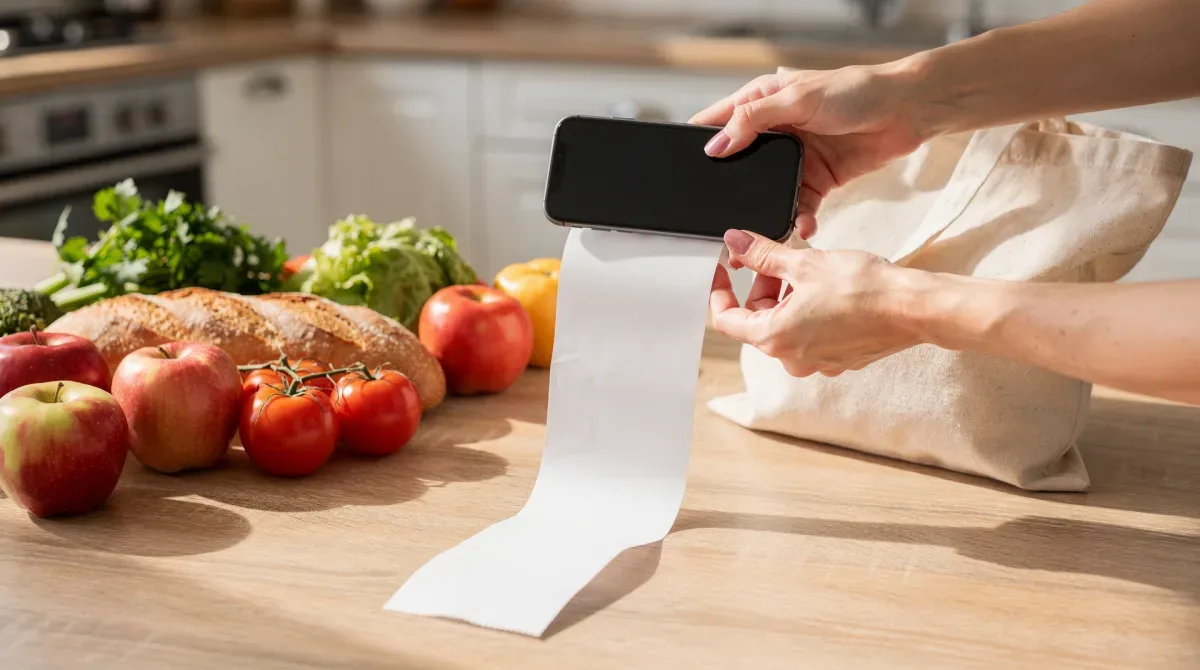
Cashback apps have become a common part of grocery shopping. You scan a receipt, link a loyalty card or activate an offer before you shop, and the app credits you points or cash back on certain products. Later, you redeem the balance for gift cards, bank transfers or other rewards.
For everyday shoppers, these apps can add a little back to the grocery budget. They are not a way to get rich, and they come with trade-offs in time and data. Here is how they generally work, what the catch is and how to use them sensibly.
The main types of cashback apps
Receipt scanning apps
You take a photo of your paper receipt or connect a digital receipt source. Some apps give a small reward for any receipt; others reward specific products or brands.
Offer-based apps
You browse offers before shopping, such as cash back on a specific brand of cereal, and select the ones you want. After buying, you submit a receipt or the offer is matched through a linked loyalty card.
Card-linked offers
Some banks and credit card issuers offer card-linked deals: activate an offer, pay with that card at the participating merchant, and receive a credit. These sit inside your banking app rather than a separate shopping app.
Store apps
Many grocery chains have their own apps with digital coupons and rewards. These are technically loyalty programs, but they work similarly.
How the apps make money
Brands pay app companies to promote products and to receive purchase data. Your receipts show what you buy, where and when, which is valuable market research. Some apps also earn money from advertising or referral fees. That is the core of the catch: you are trading shopping data for small rewards.
What realistic earnings look like
Most people earn modest amounts. Rewards per receipt or per product are usually small, and many apps have a minimum balance before you can cash out. Earnings depend on how much you shop, how many offers match products you actually buy and how consistently you scan.
| Factor | Effect on earnings |
|---|---|
| Household size | Bigger grocery bills usually mean more matching offers |
| Brand flexibility | Offers often favor name brands; store-brand loyalty limits matches |
| Consistency | Regular scanning adds up; forgetting receipts loses rewards |
| Number of apps | More apps can mean more rewards, but more time and data shared |
| Cash-out minimums | Balances may take a while to reach the threshold |
The catch
- Name-brand nudges: a small cashback on a name brand may still leave it pricier than the store brand. Compare unit prices before choosing.
- Buying for the offer: buying something you would not otherwise buy is spending, not saving.
- Time: scanning, activating offers and tracking balances take minutes that add up.
- Data: apps may collect purchase history, location and device data. Read the privacy policy.
- Account limits and expiration: points may expire if your account is inactive, and terms can change.
A useful test is to imagine the offer did not exist. Would you still put the item in your cart at that price? If the answer is no, skip the offer.
Using cashback apps without overspending
- Write your shopping list first. Then look for offers that match it, not the other way around.
- Pick one or two apps. Choose ones that fit where and what you buy.
- Scan right after shopping. Many apps have time limits for submitting receipts.
- Compare final cost. Price minus cash back versus the store brand or another size.
- Cash out regularly. Do not let balances sit for long periods where terms could change.
- Turn off unnecessary permissions. Location tracking is not always needed.
Watch for scams and fake apps
Popular apps are sometimes imitated. Download only from official app stores, check the developer name and reviews, and be wary of any app that asks for your bank login or charges a fee to unlock cash back. Legitimate cashback apps make money from brands, not from charging shoppers to join. If a referral offer looks too generous, read the terms carefully before signing up.
Stacking with store deals
Cashback offers can often be combined with store sales and digital coupons, depending on each program's terms. When an item you need is on sale, has a store coupon and a cashback offer, the combined discount can be meaningful. Read each program's rules to make sure stacking is allowed.
Frequently asked questions
Are grocery cashback apps safe to use?
Well-known apps from established companies are generally safe, but they do collect shopping data. Download from official app stores, read privacy policies and use strong passwords.
Can I use more than one cashback app on the same receipt?
Often yes, since many apps operate independently. Each app's terms decide what is allowed.
Is cashback on groceries taxable?
Rebates on your own purchases are generally treated differently from income, but rules can vary, especially for referral bonuses. For questions about your situation, consult a tax professional.
Written by
alldailyfinds.com Editorial Team
The alldailyfinds.com editorial team researches deals, coupon policies and free-sample programs for U.S. shoppers and checks each offer against the retailer's or brand's own published terms. alldailyfinds.com is published by Holy Media Ltda.