
Return policies at grocery and household stores
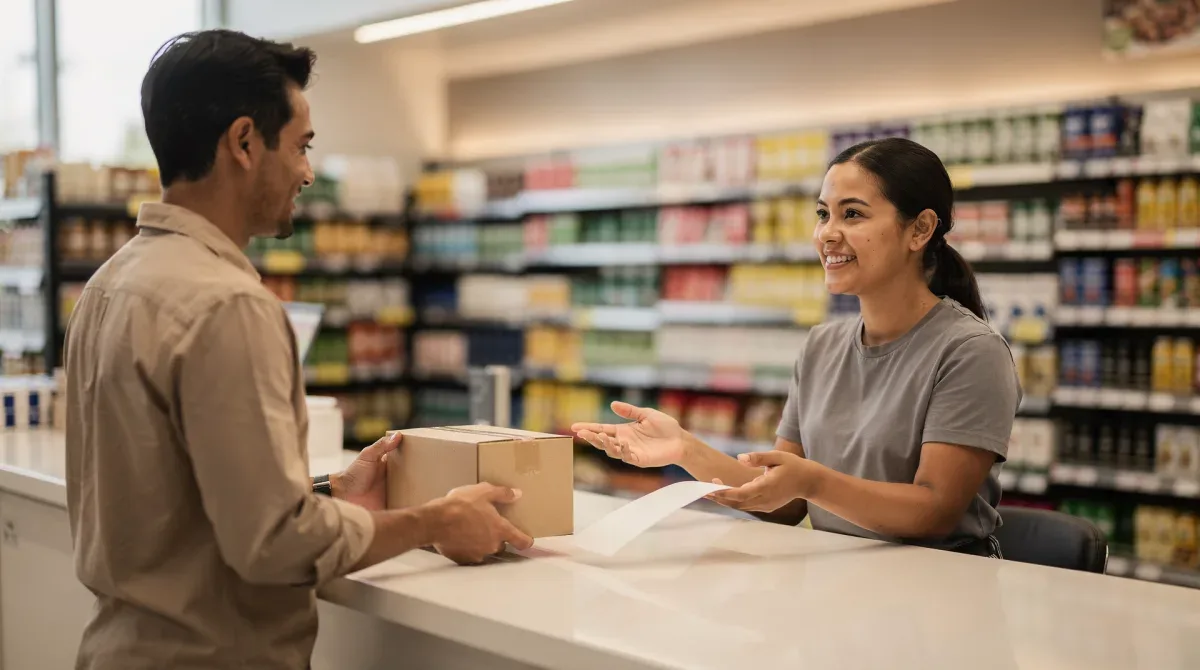
Most people know they can return a shirt that does not fit. Far fewer realize that many grocery stores, drugstores and big-box retailers also accept returns on food, cleaning supplies and personal care products, sometimes even when they are opened. A stale box of crackers, spoiled milk or a diaper size your baby outgrew before you opened the box can often be returned or exchanged.
Policies vary a lot between stores, and they change, so no single rule applies everywhere. But understanding how these policies usually work helps you recover money you might otherwise just accept as lost. Always check the specific store's official policy before you rely on it.
Why grocery returns are worth knowing about
Small losses add up. A bad bag of produce here, a defective package there, a product your family refuses to eat. Individually they feel too small to bother with, but over a year they can represent a real amount of money. Returning items for legitimate reasons is not petty; it is how stores learn about quality problems.
How policies usually differ by category
| Category | What stores commonly do | What to check |
|---|---|---|
| Spoiled or defective food | Often refund or replace with a receipt | Time limits, whether they need the item back |
| Unopened shelf-stable food | Many accept within a return window | Receipt requirements |
| Store-brand products | Often covered by a satisfaction guarantee | Whether opened items qualify |
| Cleaning and household | Unopened returns usually accepted | Opened item rules, hazardous material limits |
| Personal care and cosmetics | Varies widely; some accept opened items | Hygiene restrictions |
| Baby items like diapers | Unopened packages often exchangeable | Registry gift rules |
| Over-the-counter medicine | Often limited or not accepted once opened | Store and legal restrictions |
Satisfaction guarantees on store brands
Many supermarkets and big-box stores put a satisfaction guarantee on their own brands. The idea is to encourage you to try the store brand instead of a name brand. Under these guarantees, you may be able to get a refund or swap for the name-brand equivalent if you are not happy. The details, including whether you need a receipt or the package, are set by each retailer.
This is one of the most underused tools for saving money. It lowers the risk of switching to store brands, because a disappointing product is not a total loss.
Tips for a smooth return
- Keep receipts. Digital receipts in a store app or email make this much easier. A loyalty account may also let the store look up your purchase.
- Act quickly. Return windows may be short for perishable items.
- Bring the product or packaging. Some stores want the item back, others just need the label or barcode. If unsure, bring it.
- Be clear and polite. Explain what was wrong: spoiled before the date, broken seal, product defect.
- Use the customer service desk. Cashiers often cannot process returns.
- Know your preferred outcome. Refund, replacement or store credit; some stores let you choose.
When the problem is with the product, not the store
If a product is defective, such as a leaking detergent bottle or a contaminated package, contacting the manufacturer can also help. Many brands have customer care teams that send replacement coupons. For food that may be unsafe, report it; the FDA and USDA handle reports about food safety problems, and you can find guidance at foodsafety.gov.
Check your receipt before leaving
One of the easiest returns is the one you never have to make. Scanning errors, missed sale prices and items rung up twice happen. A quick look at the receipt before you leave the parking lot lets you fix problems at the service desk right away, while you still have everything in hand.
Returns at online grocery and delivery services
When groceries are delivered or picked up, problems like missing items, damaged packages or wrong substitutions are usually handled through the app or website rather than at a counter. Report issues promptly; many services set short windows to request a refund. Take a photo of damaged items in case it is requested.
What stores may limit
- Return fraud controls: some retailers track returns and may limit them for frequent returners.
- No receipt returns: may be refused or given as store credit at a lower price.
- Seasonal items: some stores have different rules after a holiday.
- Hazardous items: certain chemicals, fuels or aerosols may not be accepted.
- Health and hygiene: opened personal care products and medicines may not be returnable.
Respecting these limits, and returning only for genuine reasons, helps keep generous policies in place for everyone.
Frequently asked questions
Can I return food I did not like?
Some stores allow it, especially for their own brands under a satisfaction guarantee. Others accept only defective or spoiled food. Check the store's official policy.
Do I need a receipt to return groceries?
Often yes, though a store may look up purchases through a loyalty account or card. Without a receipt, the store may refuse or offer store credit.
Can I exchange unopened diapers for a different size?
Many retailers allow exchanges of unopened diaper packages, particularly registry gifts. Check the retailer's policy and any registry-specific terms.
Written by
alldailyfinds.com Editorial Team
The alldailyfinds.com editorial team researches deals, coupon policies and free-sample programs for U.S. shoppers and checks each offer against the retailer's or brand's own published terms. alldailyfinds.com is published by Holy Media Ltda.