
How brand sample request pages actually work
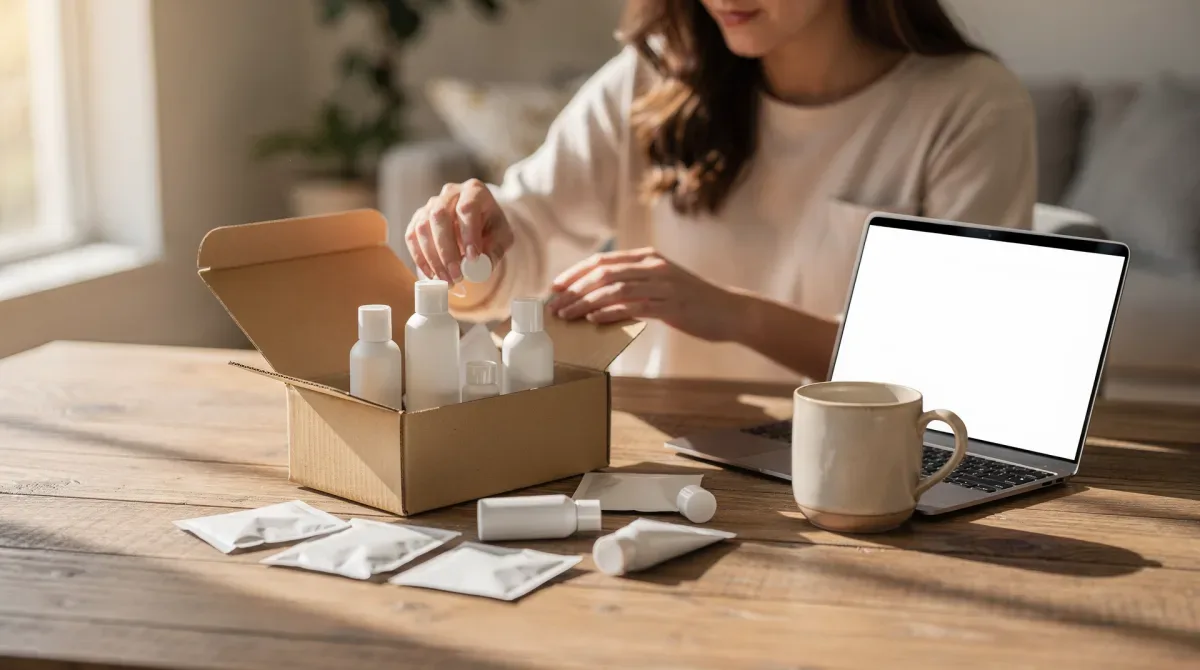
Somewhere on the website of almost every big household, food or personal care brand there has, at some point, been a page that says something like "request a sample." You fill in a short form, wait a few weeks, and a small packet of detergent, a single diaper, a sachet of coffee or a travel-size lotion shows up in your mailbox. It feels like a gift, but it is really a marketing tool with a budget, a deadline and a goal.
Understanding how these pages work helps you get more out of them and waste less time on them. You will know why a sample "sells out" in an afternoon, why some forms ask so many questions, and when it makes more sense to skip the form and buy a trial size instead.
Why brands give samples away at all
A sample is one of the oldest ways to get someone to try a product they would not otherwise pick up. For everyday essentials, switching brands is a small risk, but shoppers still tend to stick with what they know. A free packet lowers that risk to zero. If you like it, the brand hopes you will buy the full size next time you are in the store.
There is a second reason: data. A sample request form collects your name, address, email and sometimes details like household size, whether you have kids or pets, and which brands you currently use. That information helps the company understand who is interested and lets it market to you later.
The budget behind the button
Every sample campaign has a fixed number of units. Once those are claimed, the page either closes, shows a "check back later" message or quietly stays up with nothing behind it. That is why the same page can work one morning and fail by evening. It is not a glitch and it is not personal; the allotment is simply gone.
What a typical request form asks for
Most brand sample forms look similar. Expect some combination of the following:
- Contact basics: name, mailing address and email.
- Eligibility checks: age confirmation and, often, a U.S. address only.
- Household questions: number of people, ages of children, pets, or the brand you use now.
- Marketing consent: a checkbox (sometimes pre-checked) for newsletters and offers.
- Account creation: some brands require you to join their loyalty or rewards club first.
You are usually not required to answer optional questions, and you can often uncheck the marketing box. Read the form carefully before submitting; a few seconds here saves a lot of unsubscribing later.
Where to find legitimate sample pages
The safest place to look is the official brand website itself. Check the footer and the "offers," "promotions" or "rewards" sections. Brands also announce sample campaigns on their verified social media accounts and in their own email newsletters.
Parent company sites
Large consumer goods companies own dozens of brands and sometimes run a shared rewards site that offers samples, coupons and occasional freebies across their whole lineup. Signing up for one of these can surface sample offers you would not find brand by brand.
A word on third-party "freebie" lists
Plenty of websites collect sample offers in one place. Some are useful and keep their lists current. Others are cluttered with ads, link to expired campaigns, or send you through survey pages that are not connected to any brand at all. Before you enter details, make sure the final page you land on is on the brand's own domain.
What realistically shows up in the mail
Keep expectations modest. Samples from brand pages are usually small:
| Category | Typical sample format | What it is good for |
|---|---|---|
| Laundry and cleaning | Single pod, small sachet, travel bottle | Testing scent and how it feels on fabric |
| Personal care | Foil packet, mini tube, travel size | Checking texture and skin reaction |
| Baby care | One or two diapers, small wipes pack | Checking fit before buying a whole box |
| Food and drinks | Single serving, coffee pod, snack bar | Tasting before committing to a pack |
| Pet food | Small bag or single can | Seeing if your pet will eat it at all |
Shipping times vary widely. Some arrive within a couple of weeks; others take much longer, and some never arrive because the campaign ran out after your request went in. It is a good idea to treat samples as a pleasant surprise rather than something to plan around.
The catch, and how to keep it small
The main cost of a free sample is your attention. After you sign up, you will likely receive emails, and sometimes postal mail, from the brand. A few habits keep that manageable:
- Use a dedicated email address for sample and rewards sign-ups.
- Uncheck optional marketing boxes when the form lets you.
- Skip forms that ask for things a sample does not need, like your Social Security number or a payment card.
- Unsubscribe from lists you no longer find useful; legitimate brands include an unsubscribe link.
It also helps to only request samples of products you would actually consider buying. A sample of something you will never use is clutter, not savings.
Frequently asked questions
Why did the sample page say it was unavailable right after I found it?
Sample campaigns have a fixed number of units, and popular ones are claimed quickly. When the allotment runs out, the page closes or shows an error. Checking the brand's site or newsletter periodically is the only reliable way to catch the next one.
Is it safe to give my address to a brand for a sample?
Giving a mailing address to an established brand on its official website is generally low risk, since the sample has to be shipped somewhere. Be cautious if the form also asks for financial details or anything unrelated to shipping a product.
Can I request the same sample more than once?
Most brands limit samples to one per household or address, and their terms usually say so. Requesting again with different details may get your request canceled, so it is better to stick to one.
Written by
alldailyfinds.com Editorial Team
The alldailyfinds.com editorial team researches deals, coupon policies and free-sample programs for U.S. shoppers and checks each offer against the retailer's or brand's own published terms. alldailyfinds.com is published by Holy Media Ltda.