
A pantry inventory that stops you from rebuying what you have
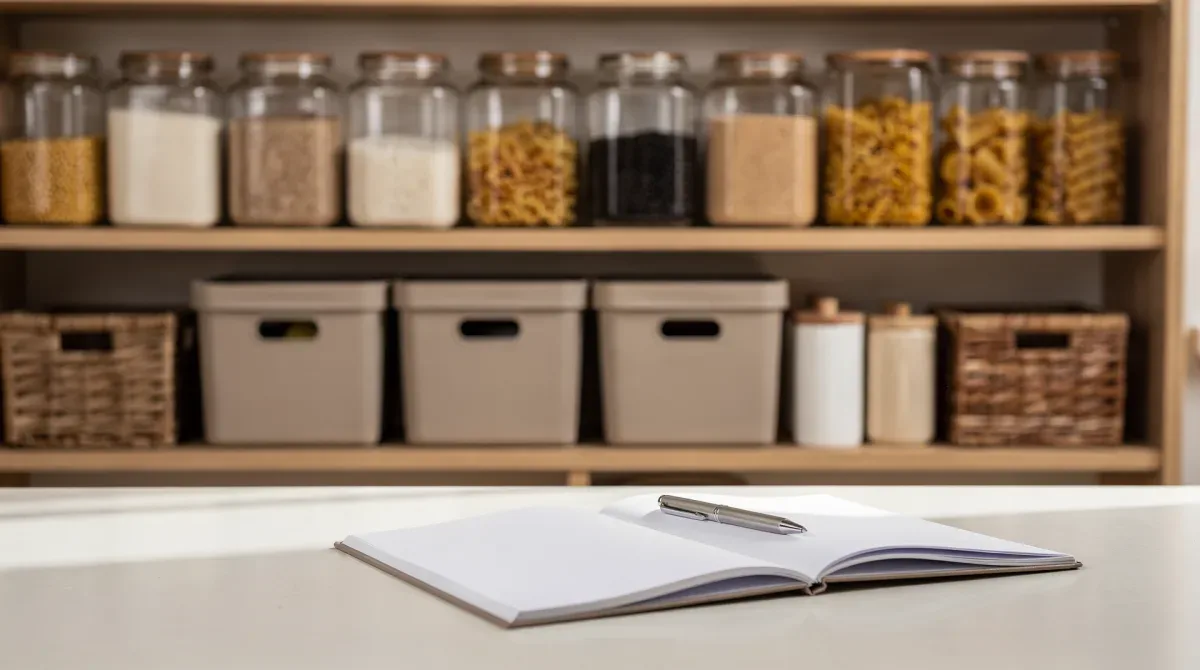
Most kitchens have a few mysteries: three open bags of brown sugar, two jars of the same spice, a can of beans that has been sitting at the back since a move. Each of those items was a small purchase that did not need to happen. Multiply that by every shopping trip in a year, and duplicate buying becomes a real cost, along with the food that expires before anyone finds it.
A pantry inventory sounds tedious, but it does not have to be a spreadsheet of every grain of rice. A simple, good-enough system makes shopping lists faster, cuts waste and stops you from buying what you already have.
Start with a clean-out
Pick a time when you have an hour and go through the pantry, fridge and freezer. As you go:
- Toss anything spoiled, stale or past a safe date.
- Combine duplicates, such as two half-bags of pasta of the same shape.
- Group similar items together: baking, grains, canned goods, snacks, condiments.
- Move older items to the front.
- Note what you have too much of; plan meals around it in the coming weeks.
The USDA's guidance on food storage and dates, available through foodsafety.gov, is helpful for deciding what to keep. Remember that many date labels on food refer to quality, not safety, while some foods, such as infant formula, have dates that should be followed closely.
Choose an inventory method that fits you
| Method | Best for | Effort |
|---|---|---|
| Whiteboard on the fridge or pantry door | Freezer and fridge items | Low |
| Paper list taped inside a cabinet | Pantry staples | Low |
| Shared notes app | Households where several people shop | Medium |
| Spreadsheet | Large pantries or bulk buyers | Higher |
| Grocery list app with inventory feature | Tech-friendly households | Medium |
The best method is the one you will keep updating. Start with the lowest effort that works.
Track only what matters
You do not need to count every item. Focus on:
- Staples you buy often: rice, pasta, flour, oils, canned tomatoes, coffee.
- Freezer contents: the freezer is where food is most easily forgotten.
- Bulk purchases: large quantities you are working through.
- Household essentials: toilet paper, dish soap, trash bags, laundry detergent.
For everything else, a quick look before writing your list is enough.
The par level idea
For key staples, decide on a minimum, or "par," you want on hand, such as two cans of tomatoes or one spare package of toilet paper. When you open the last spare, it goes on the list. This avoids both running out and overstocking.
Organize so the inventory stays accurate
- Use clear containers for dry goods so you can see levels at a glance.
- Label with dates when you open or freeze something.
- Keep a "use first" bin in the fridge for items that need to be eaten soon.
- First in, first out: new purchases go behind older ones.
- Designate spots so items always return to the same place.
Connect the inventory to meal planning and shopping
An inventory pays off when it feeds your weekly routine:
- Before planning meals, check the inventory and the "use first" bin.
- Build some meals around what you already have.
- Write the shopping list only for what is missing.
- Take a photo of the pantry or freezer before you leave, as a backup.
- Update the inventory when you put groceries away.
Monthly pantry challenge
Some households do a "pantry week" once a month, planning meals mostly from what is already on hand and buying only fresh items. It clears out older food, lowers that week's grocery bill and shows which items you tend to overbuy.
Household supplies count too
The same principle applies under the sink and in the bathroom cabinet. Many homes have multiple open bottles of the same cleaner or several half-used shampoos. Consolidate, use up what you have and keep a short list of household staples with par levels. It prevents both the emergency trip for toilet paper and the closet full of spray cleaners.
Make it a household habit
If several people shop or cook, everyone should know the system. A simple rule, like "if you use the last one, write it on the list," solves most problems. Keep the list where people actually look: on the fridge or in a shared phone app.
Frequently asked questions
How often should I update a pantry inventory?
Update it when you unpack groceries and when you use the last of something. A full check every month or two keeps it accurate.
Is it safe to eat food past its best-by date?
Many best-by dates refer to quality rather than safety, but it depends on the food and how it was stored. Follow official food safety guidance and discard anything that looks, smells or tastes off.
Do I need an app to keep an inventory?
No. A whiteboard or paper list works well for many households. Apps can help when several people shop, but simplicity matters more than tools.
Written by
alldailyfinds.com Editorial Team
The alldailyfinds.com editorial team researches deals, coupon policies and free-sample programs for U.S. shoppers and checks each offer against the retailer's or brand's own published terms. alldailyfinds.com is published by Holy Media Ltda.