
Saving on diapers and baby basics without cutting corners
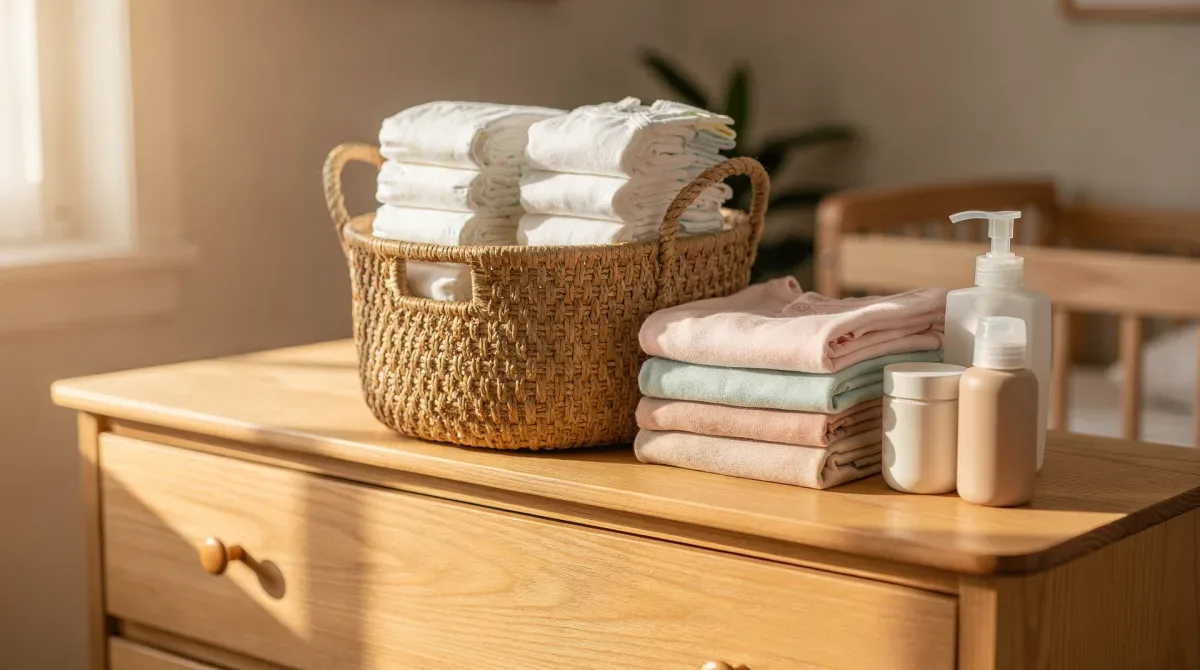
Few household expenses are as steady as diapers and wipes. For the first years of a child's life, they are on almost every shopping list, along with creams, baby wash, and later, pull-ups and snacks. Small savings per pack add up to meaningful amounts over that time.
At the same time, this is not an area where you want to cut corners on comfort or safety. The goal is to stop overpaying, not to make do with products that do not work for your baby. Here is how to approach it sensibly.
Get the size right first
Using the wrong diaper size is one of the most common hidden costs. Diapers that are too small can leak and cause blowouts, leading to extra changes and laundry. Diapers that are too large can leak too. Size charts are based on weight, but fit also depends on your baby's shape.
- Watch for red marks around legs and waist: a sign the size may be too small.
- Frequent leaks can mean a size change is needed, or a different brand fits better.
- Avoid stocking up heavily on one size; babies move through sizes at their own pace.
Newborn sizes go fast
Some babies outgrow newborn diapers quickly, and some skip them entirely if born larger. Buy newborn sizes in modest amounts. Keep receipts so unopened packs can be exchanged if the store allows it.
Store brands and name brands
Store-brand diapers and wipes are often much cheaper than name brands, and many families find them perfectly good. Others find a particular name brand fits or performs better for their baby. The only way to know is to test.
- Buy the smallest pack of a store brand.
- Use it for a few days, including overnight.
- Watch for leaks, fit and any skin irritation.
- Compare cost per diaper, not per pack.
Some families use a store brand during the day and a name brand overnight, when leaks are most disruptive. Mixing is perfectly fine.
Compare cost per diaper and per wipe
Pack sizes vary widely, so the unit price is essential. Shelf tags often show price per diaper or per count. Online retailers usually show it too. Look at:
| Option | Typical advantage | Watch out for |
|---|---|---|
| Small packs | Good for testing and size transitions | Highest cost per diaper |
| Jumbo or value packs | Lower cost per diaper | Risk of outgrowing the size |
| Warehouse club packs | Often low unit prices | Membership fee, large quantities |
| Subscriptions | Convenience and possible discounts | Remember to adjust sizes |
Timing bulk purchases
Buy larger packs once your baby is solidly in a size and is not about to move up. When you notice the waistband getting tight or the weight approaching the top of the range, switch back to smaller packs for that size and start testing the next one.
Unopened packs and registries
Many retailers let you exchange unopened diaper packs for a different size, especially registry gifts. Check the store's official policy. If you receive gifts in sizes you do not need yet, keep them sealed and stored dry.
Saving on wipes, creams and wash
- Wipes: store brands and larger refill packs usually cost less per wipe. Keep the lid closed so they do not dry out.
- Diaper cream: simple, basic barrier creams are often inexpensive. Ask your pediatrician for recommendations if your baby gets frequent rashes.
- Baby wash: a little goes a long way; small amounts are usually enough.
- Use samples: registry boxes and clinic samples are good for testing before buying full sizes.
For any persistent rash, skin reaction or concern, talk to your pediatrician rather than switching products repeatedly.
Cloth diapers: a different calculation
Some families choose cloth diapers, which involve a larger upfront cost and ongoing laundry costs, but can lower the cost of disposables over time. Whether it saves money depends on water and energy costs, how many children use them and how much time you can put into laundry. Many families use a mix, such as cloth at home and disposables when out.
Help if diapers are hard to afford
Diapers are not covered by SNAP or WIC benefits. If affording them is difficult, ask your pediatrician's office or local social services about diaper banks and community programs. Many areas have organizations that provide free diapers to families who need help.
Frequently asked questions
Are store-brand diapers as good as name brands?
Many families find them comparable, while others prefer a specific name brand for fit or absorbency. Test a small pack first and compare cost per diaper.
When should I buy diapers in bulk?
Once your baby has settled into a size and is not close to the upper weight limit. Avoid stocking up heavily on newborn sizes.
Can I return unopened diapers?
Many retailers accept returns or exchanges of unopened diapers, but policies vary. Check the store's official policy and keep receipts.
Written by
alldailyfinds.com Editorial Team
The alldailyfinds.com editorial team researches deals, coupon policies and free-sample programs for U.S. shoppers and checks each offer against the retailer's or brand's own published terms. alldailyfinds.com is published by Holy Media Ltda.