
Store brand versus name brand: what is actually different
Walk down any grocery aisle and you will see two kinds of products side by side: familiar name brands and the store's own label, usually priced lower. For many everyday essentials, switching to the store brand is one of the simplest ways to lower a grocery bill without changing what you eat or how you clean.
But store brands are not all the same, and they are not always an identical product in different packaging. Here is what tends to differ, how to compare them and where it may still make sense to stick with the name brand.
Why store brands usually cost less
Name brands spend heavily on advertising, promotions and shelf placement. Store brands typically skip much of that. Retailers also have more control over the supply chain for their own label. The result is often a lower shelf price for a product that does the same job.
Store brands are usually made by contract manufacturers, which may also produce other brands. Sometimes the store version is made to a similar recipe; sometimes it is a different formula. Retailers rarely say who makes their products, and you should not assume a store brand is identical to a specific name brand.
What can actually differ
| Aspect | What to check |
|---|---|
| Ingredients | Compare ingredient lists; order and specific additives can differ |
| Concentration | Cleaners and detergents may need different amounts per use |
| Size | Packages may look the same but hold different amounts |
| Texture and taste | Foods can differ in salt, sugar, crunch or seasoning |
| Active ingredients | For over-the-counter medicines, compare active ingredient and strength on the label |
Where store brands tend to shine
- Single-ingredient staples: sugar, flour, salt, baking soda, rice, dried beans, frozen plain vegetables.
- Basic dairy: milk, butter and plain yogurt are often very similar across brands.
- Canned basics: tomatoes, beans, broth.
- Paper and plastic goods: foil, food storage bags, trash bags, though thickness can vary.
- Over-the-counter medicines: store brands with the same active ingredient and strength are a common way to save. Ask your pharmacist if you are unsure which version is equivalent.
- Personal care basics: cotton swabs, petroleum jelly, simple soaps.
Where name brands may still be worth it
- Foods with strong taste preferences: a specific cereal, coffee or snack a family member loves.
- Products where performance varies: some people find certain paper towels or trash bags hold up better. Compare cost per use, not just price.
- Special dietary or allergy needs: a name brand may have clearer allergen practices for your situation. Read labels carefully either way.
- Baby formula and specialty nutrition: store-brand infant formulas exist and must meet federal nutrition requirements, but any change in a baby's formula should be discussed with a pediatrician first.
How to test store brands without risk
- Swap one item at a time. Changing everything at once makes it hard to judge.
- Start with staples. Flour, canned tomatoes or dish soap are easy wins.
- Do a blind test. For foods, serve the store brand without saying and see if anyone notices.
- Compare unit prices. A store brand on the shelf is not always cheaper per ounce than a name brand on sale.
- Check the guarantee. Many retailers offer satisfaction guarantees on their own brands. Read the store's official policy.
Premium store brands
Many retailers now offer more than one level of store brand: a basic value line, a standard line and a premium or organic line. The premium lines may compete with name brands on quality and still cost less. Try a few levels to see which matches your expectations.
Do not judge by packaging
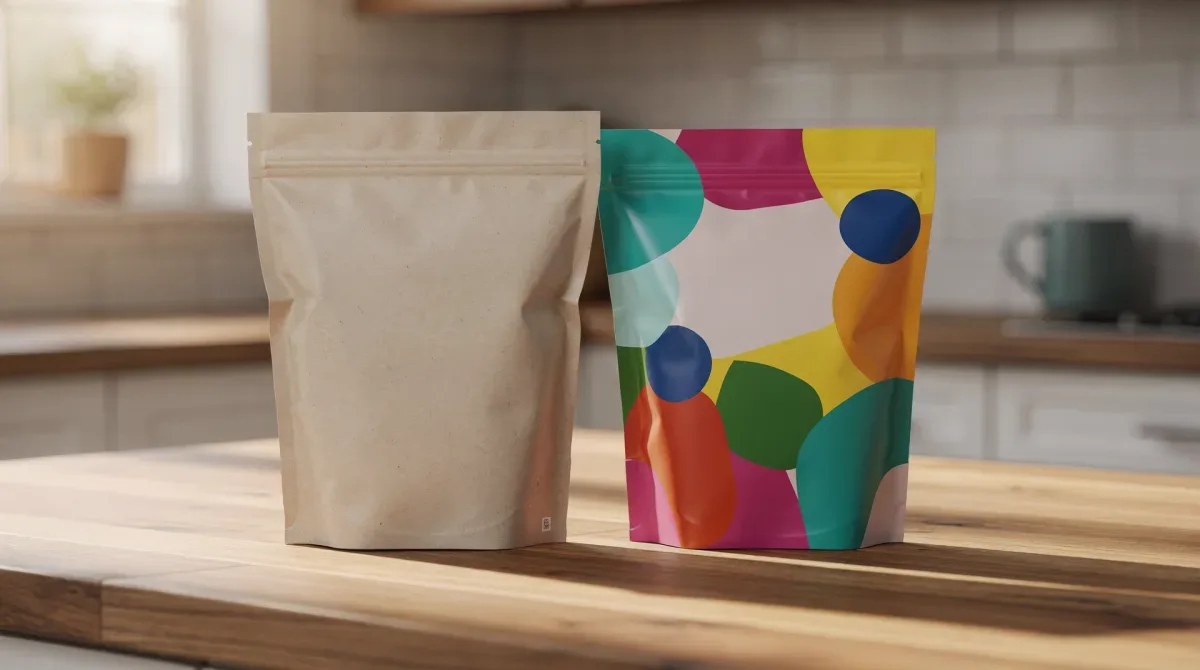
Store-brand packaging is often plainer, and some store brands deliberately mimic the colors of a name brand. Neither tells you much about what is inside. The ingredient list, the net weight and, for cleaners and medicines, the directions and active ingredients are what matter. Read the back of the package, not the front, when comparing.
A realistic way to switch
You do not need to convert your entire cart. A practical approach is to keep the name brands your family truly prefers and switch everything else. Many households end up with a mix: a favorite name-brand coffee and cereal, and store brands for the basics that nobody notices.
Review your switches after a few weeks. If something is not working, go back. The goal is to spend less on the things that do not matter to you so you can keep the things that do.
Frequently asked questions
Are store brands made by the same companies as name brands?
Sometimes, but not always, and retailers rarely disclose it. Compare ingredients and performance rather than assuming two products are identical.
Are store-brand medicines as effective as name brands?
Store-brand over-the-counter medicines with the same active ingredient and strength are generally considered equivalent. Read the label and ask a pharmacist if you have questions.
Can I return a store-brand product I did not like?
Many retailers offer satisfaction guarantees on their own brands, but terms vary. Check the store's official return policy and keep your receipt.
Written by
alldailyfinds.com Editorial Team
The alldailyfinds.com editorial team researches deals, coupon policies and free-sample programs for U.S. shoppers and checks each offer against the retailer's or brand's own published terms. alldailyfinds.com is published by Holy Media Ltda.